Foreign Direct Investment into Texas: Sectors, Sites & Incentives
Texas leads the US for inbound investment. A look at the sectors driving it, where projects are landing, and the incentive tools available.

FDI Connect
FDI Connect
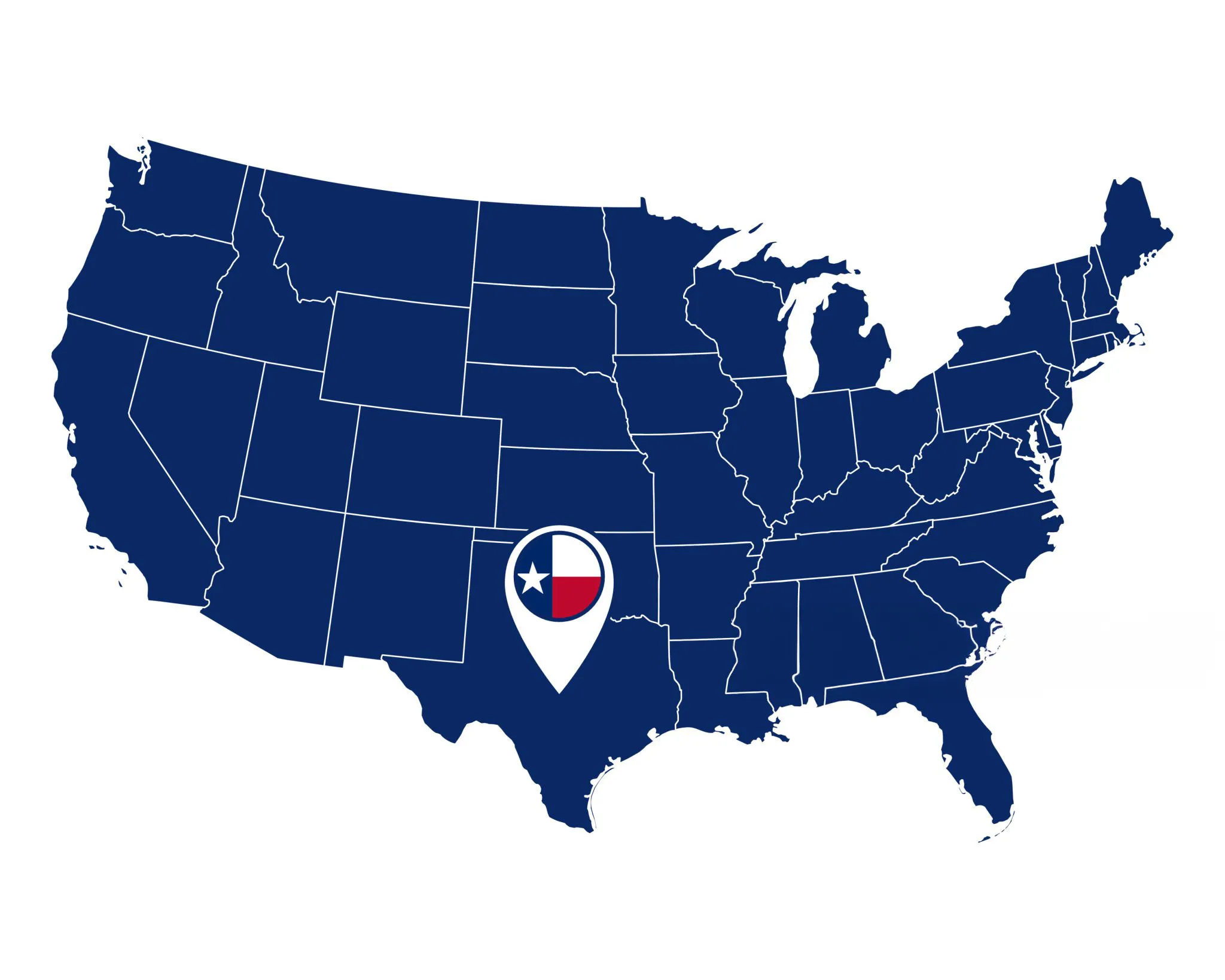
Texas consistently ranks at or near the top of US states for inbound investment and major project announcements. For international companies and site selectors, it offers a rare combination of scale, business climate, and available land — but competing for the best sites still requires doing the homework.
Why Texas leads
Several structural advantages compound:
- No state personal income tax and a generally low-regulation business climate
- Abundant, competitively priced energy, including a large independent grid (ERCOT) and deep renewables build-out
- Land and sites at a scale few states can match
- Population and workforce growth feeding labor supply
- Ports, rail, and highway infrastructure connecting to global markets
The sectors driving investment
- Semiconductors — major fabs and supplier investment, anchored around the Austin–Taylor corridor
- EV and advanced manufacturing — vehicle assembly and components
- Energy — traditional, renewables, storage, and hydrogen
- Data centers — drawn by power availability and land
- Logistics and advanced logistics — leveraging the state's freight network
Where projects land
Investment clusters around the major metros and their exurban megasites — the Austin–San Antonio corridor, the Dallas–Fort Worth region, and the Houston area — while large industrial and energy projects increasingly locate on rural megasites with strong power and rail. The decisive factor is usually site and utility readiness, not the metro name.
Incentive tools
Texas offers a mix of state and local tools:
- The Texas Enterprise Fund — a deal-closing grant for competitive projects with significant job creation and capital investment
- Local property tax arrangements — after Chapter 313 expired, the state enacted a new program (the Texas Jobs, Energy, Technology and Innovation Act) providing school-district property tax value limitations for qualifying manufacturing and energy projects; terms and eligibility differ from the old program, so confirm current rules
- Local incentives — abatements, infrastructure support, and workforce grants negotiated at the county and municipal level
- Sales-tax exemptions on manufacturing equipment
Because much of the value sits at the local level, early engagement with the county, city, and utility is essential.
For international investors
Texas rewards preparation. The strongest positions come from targeting ready megasites with confirmed power, engaging local partners early, and structuring incentives around firm job and investment commitments. Verify the current state of each incentive program before modeling — the tools have changed in recent years.
The takeaway
Texas earns its lead on fundamentals — energy, land, workforce, and climate — with incentives layered on top. For inbound investors, the winning play is to match a genuine site-readiness story to the sector you're in, and to engage local and utility partners from day one.